
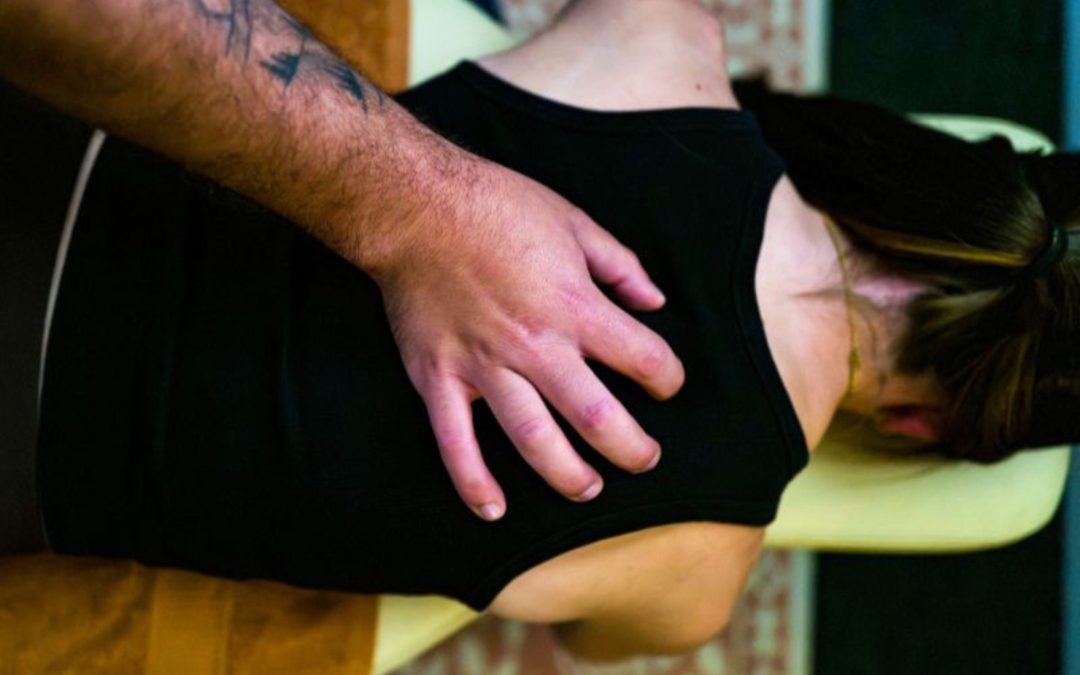
When back pain keeps returning, looking beyond the painful area can help
Back pain can be frustrating, especially when it keeps coming back despite rest, stretching or treatment.
You might find yourself wondering whether something is damaged, whether you should stop exercising, or why your back hurts even when you’re not doing anything particularly strenuous.
These are common concerns, and they deserve thoughtful answers.
At Hunter Valley Family Chiropractic, we recognise that back pain can affect your work, family life, sleep and confidence in movement. Understanding the factors that contribute to persistent pain can help you make informed decisions about your recovery.
Does ongoing back pain always mean something is damaged?
Not necessarily.
Back pain can arise from a range of factors, including muscles, joints, discs and other structures. Sometimes there is a clear injury or identifiable cause. In other cases, it isn’t possible to identify one specific structure responsible for all the pain.
Pain is influenced by more than tissue damage alone. The nervous system processes information from the body and the surrounding environment, and the experience of pain can be affected by sleep, stress, previous pain experiences, mood and activity levels.
This is particularly relevant when pain persists beyond the expected period of tissue healing.
It doesn’t mean that your pain is imaginary, and it doesn’t mean that physical problems should be dismissed. It means that persistent back pain may require a broader assessment rather than focusing only on one structure.
The nervous system and persistent back pain
Your nervous system helps you detect and respond to potential threats. Pain is one way your body encourages you to protect yourself.
After an injury, the nervous system may remain more sensitive for a period of time. In some people with persistent pain, the systems involved in processing pain become increasingly responsive.
This can mean that activities which previously felt comfortable become painful, or that symptoms fluctuate even when your daily activities haven’t changed very much.
Stress, disrupted sleep and worry about movement can sometimes contribute to this sensitivity.
The good news is that persistent pain doesn’t automatically mean your body is continuing to sustain damage. Many people can improve their function and quality of life through an appropriate combination of education, movement, self-management and healthcare support.
Why does my back hurt more on some days than others?
Back pain often fluctuates.
You may feel relatively comfortable one day and experience more discomfort the next. Several factors can contribute to these changes.
Physical activity: An increase in lifting, exercise or repetitive activity can temporarily aggravate symptoms.
Sleep: Poor sleep may increase pain sensitivity and reduce your ability to recover.
Stress: Difficult periods at work or home can affect muscle tension, mood and pain processing.
Movement confidence: When you are worried about hurting yourself, you may move more cautiously or avoid activities, which can contribute to reduced strength and confidence over time.
Overall health: Other medical conditions and individual factors can influence symptoms and recovery.
Recognising these patterns can help you find a sustainable approach instead of feeling that every flare-up represents a setback.
Should you rest or keep moving when your back hurts?
The answer depends on your symptoms and the underlying cause, but prolonged bed rest is generally not recommended for uncomplicated low back pain.
For many people, gradually returning to comfortable everyday activities is helpful.
You might start with short walks, gentle movement or activities that you can tolerate without a significant increase in symptoms. As your confidence and capacity improve, you can gradually increase your activity.
If a particular exercise repeatedly aggravates your symptoms, it may need to be modified rather than pushed through.
You also don’t need to force yourself to exercise through severe pain. A healthcare professional can help you identify suitable activities and establish a plan that matches your presentation.
If your back pain follows a significant injury, is severe or progressive, or is accompanied by concerning symptoms, seek appropriate medical assessment.
How can chiropractic care help with back pain?
Chiropractic care may help some people with certain types of musculoskeletal back pain.
Depending on your history and examination, a chiropractor may discuss options such as:
- Manual therapy, including appropriate spinal mobilisation or manipulation.
- Advice about maintaining activity and gradually returning to exercise.
- Exercises designed to improve movement, strength or physical capacity.
- Education about pain, recovery and managing flare-ups.
- Strategies for supporting sleep and other aspects of self-management.
- Referral for further investigation or care when clinically indicated.
Manual therapy can provide short-term relief for some people with low back pain, but it is not a guaranteed solution and is generally best considered alongside active strategies.
Treatment should be individualised. Not everyone needs spinal manipulation, and you should always be able to discuss the potential benefits, risks and alternatives before deciding on treatment.
What about stress and emotional wellbeing?
Living with pain can be exhausting.
You might feel frustrated when symptoms interfere with family activities, anxious about lifting something heavy or discouraged when discomfort returns after a good week.
These responses are understandable.
Persistent pain can affect your emotional wellbeing, and emotional stress can sometimes influence your pain experience. Both deserve attention without blaming you for your symptoms.
Depending on your needs, support might include gentle movement, relaxation strategies, improving sleep, working with a physiotherapist or other healthcare professional, or seeking psychological support for the challenges of living with persistent pain.
There is no single approach that works for everyone. The aim is to find a combination of strategies that helps you move more comfortably and return to the activities that matter to you.
Five things you can start doing today
- Keep moving within your tolerance. Short walks and comfortable daily activities are often a good starting point.
- Change positions regularly. Avoid feeling that you must sit or stand in one perfect posture.
- Build activity gradually. Increase exercise and lifting demands in manageable steps.
- Pay attention to recovery. Give sleep and regular rest an appropriate place in your routine.
- Seek individual advice. If pain persists, keeps returning or limits your everyday activities, arrange an assessment to understand your options.
Supporting your health, one step at a time
You don’t have to navigate persistent back pain alone, and you don’t need to change everything at once.
A useful starting point is understanding your symptoms, identifying the factors that may be contributing to them and developing a plan that supports your individual goals.
At Hunter Valley Family Chiropractic, we aim to provide a welcoming environment where your concerns are heard and your care is guided by your needs and preferences.
Ready to take the next step? Contact Hunter Valley Family Chiropractic to discuss your back pain and explore appropriate care options.
Seek emergency medical care if back pain is accompanied by new difficulty controlling your bladder or bowel, difficulty passing urine, numbness around the groin or saddle region, or new or progressive leg weakness. These symptoms may indicate a serious condition requiring urgent assessment.
This article provides general health information and does not replace individual medical advice, diagnosis or treatment.